Global Marine Conditions in January
January marks the height of the austral summer across the Southern Hemisphere and the prime dry winter season across the Caribbean, Central America, and Hawaii. For travelers seeking wild sea turtle encounters, January provides distinct geographic advantages across equatorial and southern ocean basins, where warm water temperatures and peak biological reproductive cycles coincide.
                  GLOBAL JANUARY SNORKELING MATRIX
┌────────────────────────┬─────────────┬─────────────┬─────────────────────┐
│ Ocean Basin            │ Water Temp  │ Visibility  │ Seasonal Highlights │
├────────────────────────┼─────────────┼─────────────┼─────────────────────┤
│ Southern Great Barrier │ 26°C – 28°C │ 15m – 25m   │ Peak Hatchling Run  │
│ Hawaii (Oahu / Maui)   │ 24°C – 25°C │ 15m – 30m   │ Honu + Humpbacks    │
│ Caribbean & Mexico     │ 26°C – 27°C │ 12m – 25m   │ Seagrass Grazing    │
│ Galapagos Islands      │ 23°C – 26°C │ 10m – 20m   │ Warm Season Calm    │
│ Mediterranean Basin    │ 14°C – 16°C │ Variable    │ Winter Dormancy     │
└────────────────────────┴─────────────┴─────────────┴─────────────────────┘
In the South Pacific and Indian Ocean, warm surface waters hover between 26°C and 29°C. On coral cays along the southern Great Barrier Reef, the annual reproductive cycle transitions from late-stage egg laying to the first massive waves of hatchling emergence.
In the Caribbean and Hawaii, pleasant trade winds prevail. Snorkelers in these northern tropical basins should focus their in-water sessions on early morning windows before afternoon thermal breezes generate surface chop. The Mediterranean Sea is in winter dormancy, with resident Loggerheads and Green turtles resting in deep offshore trenches.
Key Chelonian Wildlife Phenomena in January
       JANUARY BIOLOGICAL CALENDAR HIGHLIGHTS
═════════════════════════════════════════════════════════════════════
  🐢 Southern Great Barrier Reef ──► Peak Green & Loggerhead hatchling runs
  🐢 Hawaii (Oahu & Maui)        ──► Resident Honu grazing & whale songs
  🐢 Galapagos (Isabela)         ──► Warm water mating & feeding season
  🐢 Red Sea (Marsa Alam)        ──► High-clarity Green turtle grazing
═════════════════════════════════════════════════════════════════════
1. The Great Australian Hatchling Emergence
On coral cays in the southern Great Barrier Reef—such as Lady Elliot Island and Heron Island—January is a premier month for observing the circle of life. Thousands of tiny Green sea turtle and Loggerhead hatchlings dig their way out of deep dune nests at dusk and dawn, scurrying across coral rubble sand into the warm surf. In the surrounding lagoons, mature females continue depositing late-season clutches.
2. Hawaii: Honu Encounters with Humpback Whales
January is the heart of winter in the Hawaiian Islands. While ocean swells can be large on north-facing shores, protected southern and western bays on Oahu and Maui offer glassy morning conditions. Snorkelers at Turtle Canyon and Turtle Town can watch resident Honu (Green turtles) visiting reef cleaning stations while listening to the underwater songs of migrating humpback whales echoing through the water column.
3. The Galapagos Warm Season
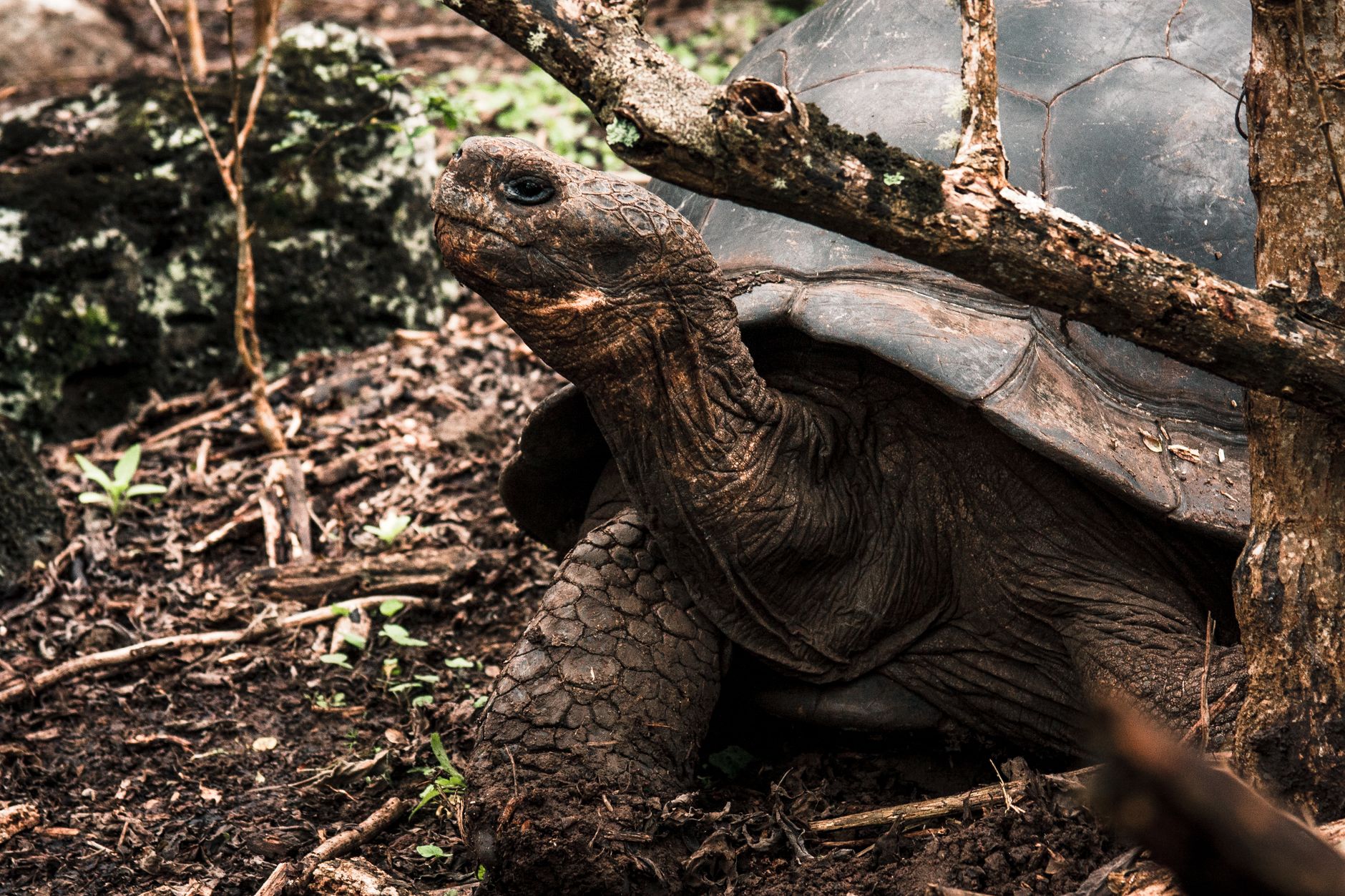
January marks the onset of the warm, rainy season in the Galapagos Archipelago. Southeast trade winds subside, ocean currents slacken, and water temperatures rise into the 24°C to 26°C range around Isabela and Fernandina Islands, delivering calm snorkeling conditions over volcanic reef flats where Green turtles graze on red algae alongside marine iguanas.
Top 5 Audited Sanctuaries to Visit in January
  1. Lady Elliot Island (Queensland, Australia) ──► 98% Sighting Rate
  2. Akumal Bay (Riviera Maya, Mexico)           ──► 95% Sighting Rate
  3. Turtle Canyon (Oahu, Hawaii)               ──► 95% Sighting Rate
  4. Abu Dabbab Bay (Marsa Alam, Egypt)          ──► 90% Sighting Rate
  5. Carlisle Bay (Barbados)                    ──► 92% Sighting Rate
1. Lady Elliot Island, Australia
Located on the southern tip of the Great Barrier Reef inside a strict green marine national park zone, Lady Elliot is a coral cay where you can step directly off the coral beach into shallow lagoon waters. In January, water temperatures sit at a comfortable 27°C with visibility exceeding 20 meters. You will encounter adult Green and Hawksbill turtles feeding on algae while watching evening hatchling runs under ranger guidance.
2. Akumal Bay, Mexico
Akumal’s protected barrier reef blocks open Caribbean ocean swell, maintaining calm, pool-like conditions in 2 to 3 meters of turquoise water. January brings clear skies and 26°C water. Early morning snorkelers inside the buoyed CONANP conservation circuit can watch juvenile and adult Green turtles shearing Thalassia seagrass shoots alongside Southern Stingrays.
3. Turtle Canyon (Oahu, Hawaii)
Situated a short boat ride off Waikiki Beach, Turtle Canyon is a series of shallow patch reefs (6 to 10 meters depth) formed from ancient volcanic basalt. In January, dozens of resident Hawaiian Green turtles gather at coral cleaning stations where surgeonfish and cleaner wrasses graze algae off their shells.
4. Abu Dabbab Bay, Egypt
This sandy Red Sea bay in Marsa Alam provides sheltered, current-free snorkeling with visibility regularly exceeding 25 meters. Massive resident Green turtles measuring over 1.2 meters in shell length graze on the central seagrass bed in 3 to 8 meters of depth.
5. Carlisle Bay, Barbados
Carlisle Bay on the sheltered southwest coast of Barbados is home to calm, azure waters and six historic shallow shipwrecks. Resident Green and Hawksbill turtles forage along the sandy margins and wreck hulls in 3 to 6 meters of warm Caribbean water.
The January Morning Snorkel Routine
                  THE EXPEDITION MORNING SCHEDULE
  ┌─────────────────────────────────────────────────────────────┐
  │ 06:45 AM ──► Check local wind forecast & tidal height       │
  │ 07:15 AM ──► Gear up: UPF rashguard, defogged mask, fins    │
  │ 07:45 AM ──► WATER ENTRY: Glassy surface, peak clarity      │
  │ 08:45 AM ──► Complete 60-minute passive wildlife circuit    │
  │ 09:30 AM ──► Exit as thermal trade winds and crowds arrive  │
  └─────────────────────────────────────────────────────────────┘
In tropical destinations worldwide, January is governed by daily solar thermal cycles. As the morning sun warms the landmass, atmospheric pressure differences generate localized onshore trade winds by 10:30 AM, creating surface chop and reducing underwater visibility.
Essential Snorkel Gear & Sun Protection for January
- Sun Protection: In tropical destinations, UV radiation remains high year-round. Pack a long-sleeve UPF 50+ rashguard and apply certified non-nano mineral zinc sunscreen to eliminate toxic chemical runoff into seagrass beds.
- Optical Clarity: A low-volume panoramic silicone mask with inverted teardrop lenses provides a wide field of view to track turtles feeding below you without craning your neck.
- Thermal Comfort: If snorkeling in Hawaii (24°C) or the Galapagos (23°C), a thin 1.5mm neoprene thermal top keeps your core comfortable during 60-minute swims.