


6
Audited Sanctuaries
Australia, French Polynesia, Fiji
5
Resident Species
Green, Loggerhead, Flatback, Hawksbill
22-28°C
Water Temperature
Varies by southern latitude
95%
Sighting Rate
Lady Elliot & Ningaloo
Regional Overview & Marine Geography
Oceania features the world’s most pristine coral barrier reefs and remote atolls. Australia’s eastern coastline is anchored by the UNESCO World Heritage-listed Great Barrier Reef, while Western Australia hosts the accessible Ningaloo Reef , where the coral begins just footsteps from the sand.
The region is also the exclusive global habitat for the Flatback Sea Turtle (Natator depressus) , which nests solely on northern Australian beaches.
💡 Reef Walking vs Snorkeling on Coral Cays
On coral cays like Lady Elliot Island
and Heron Island
, the shallow reef flat lagoon is best explored during high tide (+1.8m). At low tide, waters recede, exposing coral bommies; switch to outer reef boat excursions during low water.
Key Geographic Zones in Oceania
1. Great Barrier Reef (Queensland, Australia)
- Top Encounters: Lady Elliot Island (Southern GBR Green Zone, protected under Commonwealth jurisdiction by Parks Australia ), Heron Island, Green Island , and Low Isles (Port Douglas).
- Access: Scenic charter flights or high-speed catamaran ferries.
2. Ningaloo Coast (Western Australia)
- Top Encounters: Coral Bay Turtle Sanctuary (Purdy Point), Turquoise Bay, and Muiron Islands.
- Access: Direct walk-in shore entry from Cape Range National Park beaches, managed by the Western Australia DBCA .
3. French Polynesia & South Pacific
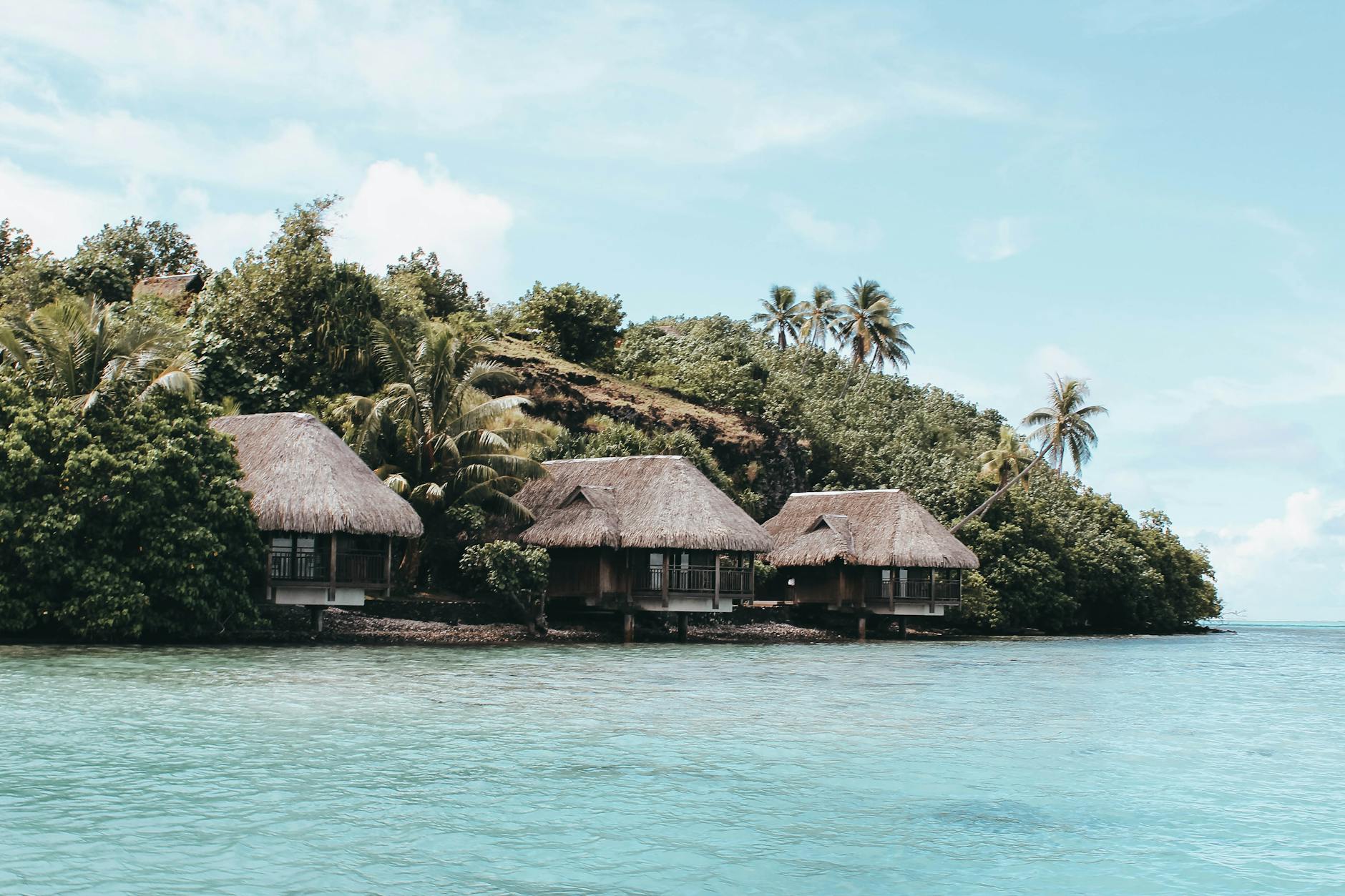
- Top Encounters: Opunohu Bay & Temae Beach (Moorea) , Bora Bora Lagoon , and Taveuni (Fiji).
- Access: Shallow outrigger lagoon tours and direct resort reef walk-ins.
Frequently Asked Questions
When is turtle nesting and hatching season on the Great Barrier Reef?
Nesting occurs between seasonality calendar
. Hatchlings emerge from nests between late January and April, particularly on Lady Elliot, Heron Island, and Mon Repos.