


Regional Overview & Marine Geography
The Middle East and Africa corridor stretches from the nutrient-rich coral drop-offs of Egypt’s Red Sea coast through the pristine atolls of the Gulf of Oman, the warm Indian Ocean waters of Zanzibar and Mozambique, and the granite island archipelagos of the Seychelles. This vast biogeographic zone shelters some of the planet’s largest resident populations of Green turtles (Chelonia mydas) , alongside significant populations of Hawksbills (Eretmochelys imbricata) , Loggerheads (Caretta caretta) , Olive Ridleys (Lepidochelys olivacea) , and seasonal Leatherback visitors (Dermochelys coriacea) .
Unlike the heavily touristed Caribbean, many sanctuaries in this region remain relatively uncrowded, offering intimate wildlife encounters in crystalline water with visibility often exceeding 25 meters.
Key Geographic Zones
1. Egyptian Red Sea (Marsa Alam & Hurghada)
The Red Sea coast of Egypt hosts some of the world’s most reliable wild turtle encounters. At Abu Dabbab Bay and Marsa Mubarak , giant resident Green turtles — some exceeding 1.5 meters in carapace length — graze peacefully in expansive seagrass meadows (Thalassodendron ciliatum, Halophila stipulacea) just 2–5 meters from shore. The warm desert climate ensures water temperatures of 23–28°C year-round with exceptional visibility.
- Top Encounters: Abu Dabbab Bay, Marsa Mubarak, Elphinstone Reef outer wall
- Primary Species: Green Turtle (Chelonia mydas), Hawksbill (Eretmochelys imbricata)
- Access: Sandy walk-in shore entry; daily zodiac boats from Marsa Alam hotels
- Legal Framework: Monitored under the Chamber of Diving & Watersports (CDWS) and HEPCA Marine Conservation , strict environmental decrees govern all Red Sea marine park zones. A mandatory minimum 3-meter distance from all marine fauna is enforced. Touching or riding turtles carries fines up to 50,000 EGP and potential prosecution.
- Bonus Wildlife: Abu Dabbab Bay also shelters a resident dugong population — one of the only walk-in shore entries in the world where you can encounter both sea turtles and dugongs on the same snorkel.
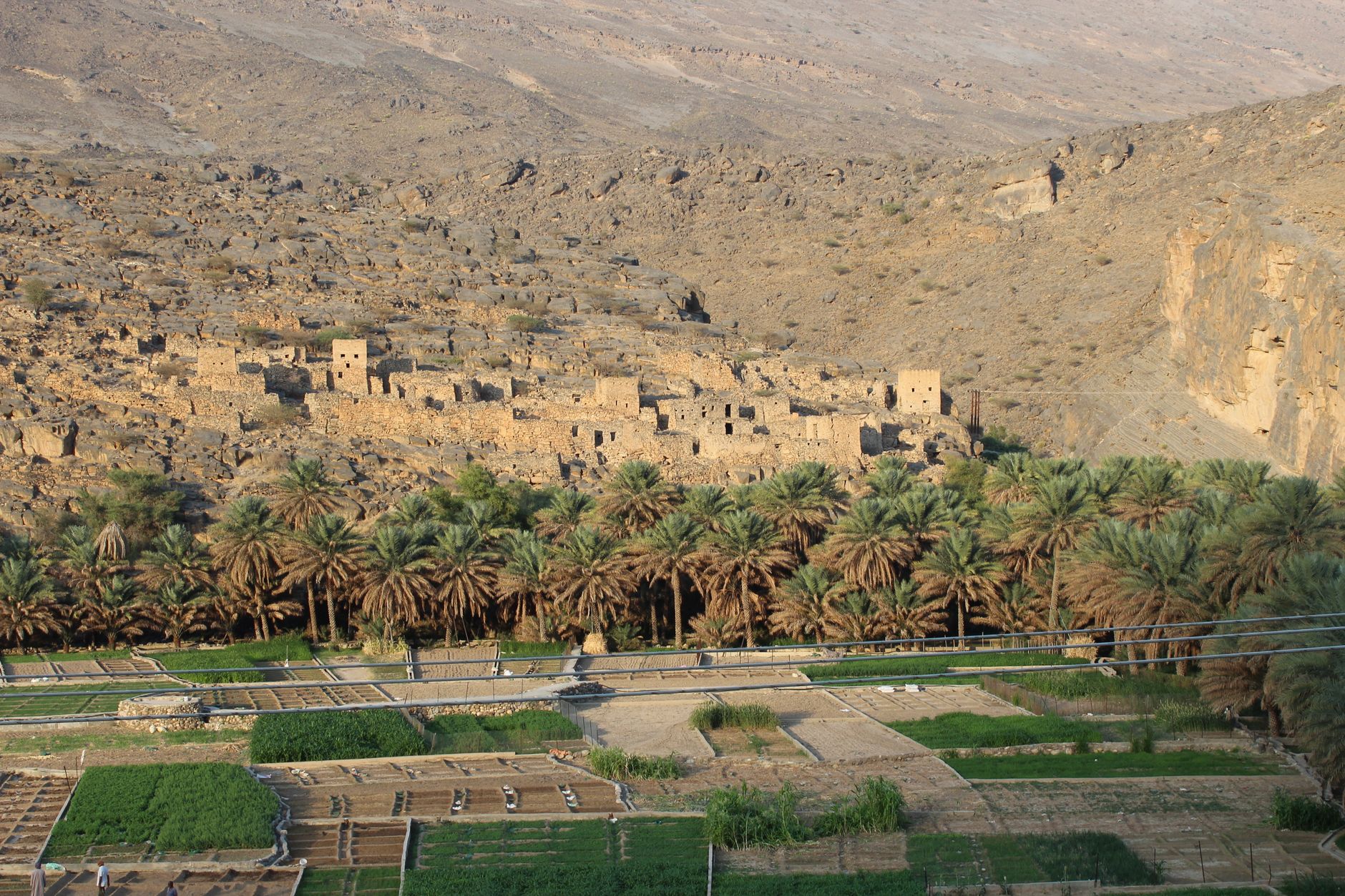
2. Sultanate of Oman (Muscat, Daymaniyat & Ras Al Jinz)
Oman’s coastline extends over 3,000 km along the Arabian Sea and the Gulf of Oman, sheltering five of the world’s seven sea turtle species. The Daymaniyat Islands — a chain of nine uninhabited limestone atolls 18 km offshore from Muscat — offers world-class snorkeling over pristine fringing reefs with resident Green and Hawksbill turtles.
- Top Encounters: Daymaniyat Islands (Apr–Oct), Ras Al Jinz Turtle Reserve (nesting May–Sep)
- Primary Species: Green Turtle, Hawksbill, Loggerhead, Olive Ridley
- Access: Licensed day speedboats from Al Mouj Marina (Muscat); Ras Al Jinz requires MECA permits
- Legal Framework: Monitored under official Environment Authority of Oman marine reserve regulations. Daymaniyat Islands have strict daily visitor caps (max 75 visitors/day) and no overnight stays permitted. Touching turtles or removing coral carries fines up to 10,000 OMR (approx. $26,000 USD).
- Season: Marine access prohibited Nov–Mar (nesting protection & rough seas)
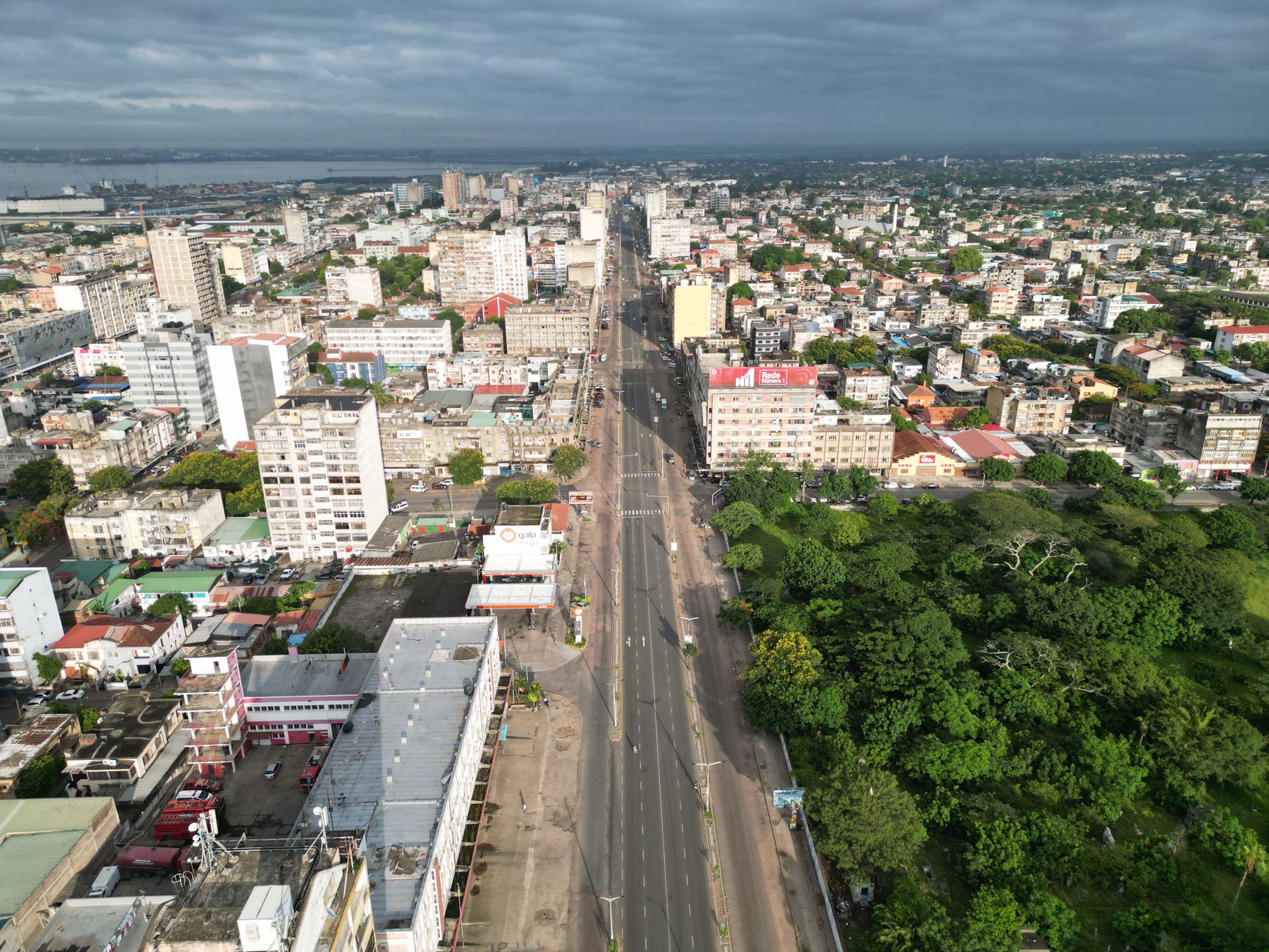
3. Zanzibar & East Africa (Tanzania, Mozambique)
The warm Indian Ocean waters around Zanzibar’s Mnemba Atoll (Zanzibar) and Mozambique’s Tofo Beach provide exceptional turtle encounters. Mnemba Atoll — a private conservation island surrounded by a shallow fringing reef — hosts resident Green and Hawksbill populations, while Tofo Beach in southern Mozambique is renowned for seasonal Loggerhead nesting and year-round reef encounters.
- Top Encounters: Mnemba Atoll (Zanzibar), Nungwi Reef (northern Zanzibar), Tofo Beach (Mozambique)
- Primary Species: Green Turtle, Hawksbill, Loggerhead (Tofo Beach seasonal)
- Access: Dhow boats from Nungwi or Stone Town to Mnemba; shore entry at Tofo Beach
- Legal Framework: Tanzania Marine Parks & Reserves Unit enforces a 3-meter minimum distance. Mozambique’s National Administration of Conservation Areas (ANAC) governs Tofo’s marine habitat.
- Water Conditions: 26–30°C, visibility 15–30m, best conditions Apr–Nov
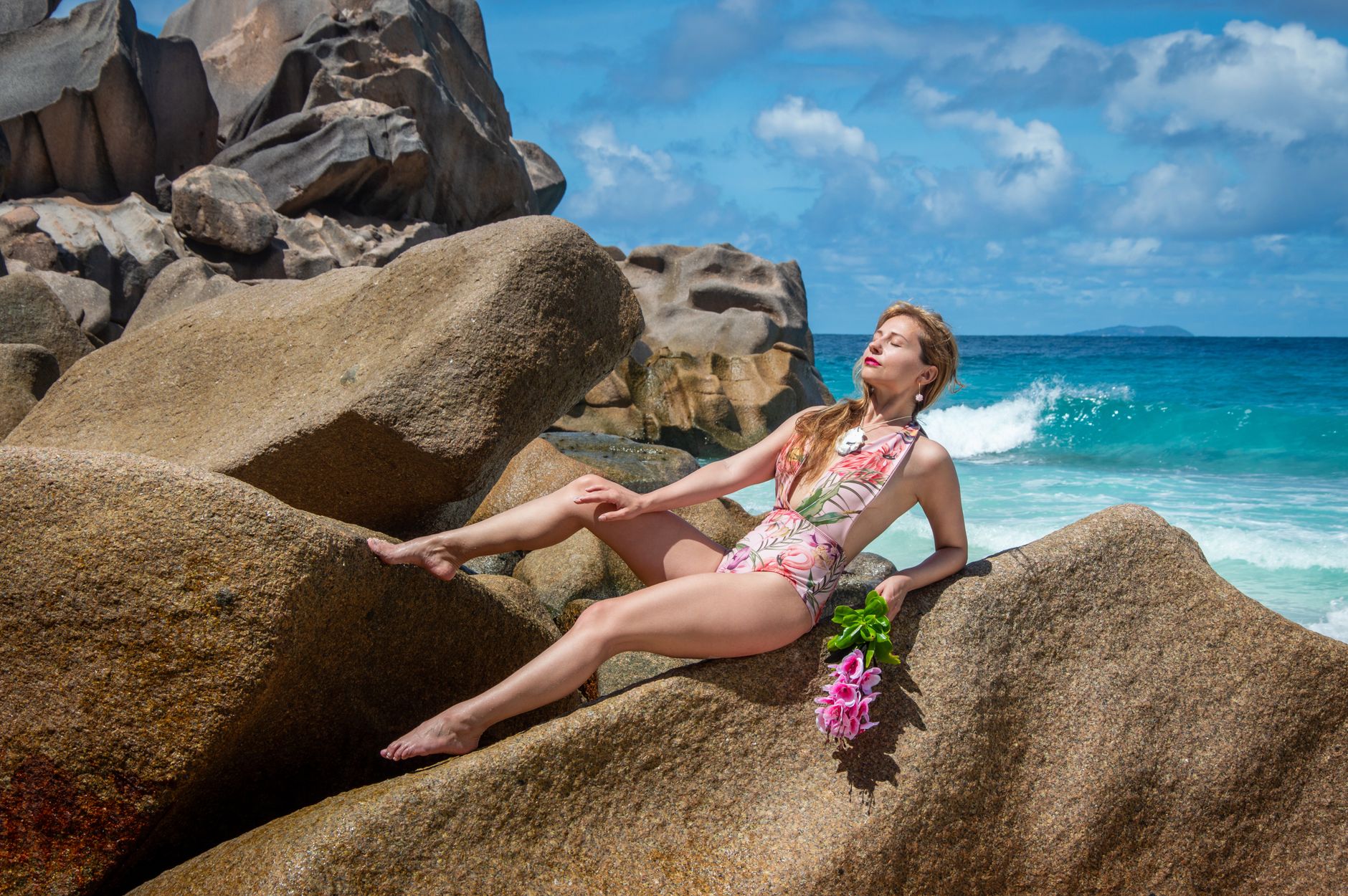
4. Seychelles (Curieuse, Sainte Anne & Aldabra)
The Seychelles archipelago — 115 granite and coral islands in the western Indian Ocean — represents one of the most ecologically pristine marine environments on Earth. Curieuse Island and Sainte Anne Marine National Park shelter nesting Hawksbill populations, while the UNESCO-listed Aldabra Atoll hosts one of the largest Green turtle nesting colonies in the Indian Ocean.
- Top Encounters: Curieuse Island, Sainte Anne Marine Park, Anse Lazio (Praslin)
- Primary Species: Hawksbill, Green Turtle
- Access: Licensed glass-bottom boats and snorkel charters from Mahé and Praslin
- Legal Framework: Seychelles National Parks Authority (SNPA) regulations. Strict marine park entry fees (approx. 200 SCR / $15 USD). All coral collection and turtle contact strictly prohibited.
- Bonus Wildlife: Giant Aldabra tortoises, whale sharks (Oct–Jan), manta rays
Best Season Matrix
| Sub-Region | Best Months | Water Temp | Visibility |
|---|---|---|---|
| Egypt (Red Sea) | Mar–Nov | 23–28°C | 20–40m |
| Oman (Daymaniyat) | Apr–Oct | 24–30°C | 15–25m |
| Zanzibar | Jun–Oct | 26–28°C | 20–30m |
| Mozambique (Tofo) | Apr–Nov | 24–28°C | 15–25m |
| Seychelles | Apr–May, Oct–Nov | 27–29°C | 20–30m |
Conservation & Reef Protection Rules
All sanctuaries in this region enforce strict marine conservation laws:
- Minimum Distance: 3 meters from all marine turtles at all times
- No Contact: Touching, riding, feeding, or chasing turtles is a criminal offense in all jurisdictions
- Sunscreen: Only mineral-based (zinc oxide / titanium dioxide) reef-safe sunscreens permitted
- Photography: No flash photography underwater; no drones within 200m of nesting beaches
- Coral Protection: Standing on, touching, or breaking coral carries heavy fines and potential imprisonment