



Understanding Global Sea Turtle Biogeography Across Five Marine Regions
Although sea turtles roam vast transoceanic corridors spanning thousands of kilometers, coastal feeding congregations cluster predictably around warm seagrass meadows, coral sponge reefs, and calm volcanic coves. Organizing destinations into five distinct macro-regions helps travelers align flights, monsoon calendars, water temperatures, and local conservation rules with the species most likely to appear off shore.
| Macro-Region | Audited Countries Tracked | Predominant Snorkel Species | Water Conditions & Access Style |
|---|---|---|---|
| Americas & Caribbean | Mexico, United States, Costa Rica, Belize, Barbados, Curaçao, USVI, Ecuador | Green, Hawksbill, Leatherback, Olive Ridley | Warm lagoon seagrass bays, shore entries in Hawaii/Barbados, regulated parks in Mexico/Belize |
| Asia & Indian Ocean | Indonesia, Philippines, Malaysia, Maldives, Sri Lanka, Thailand, Taiwan | Green, Hawksbill, Olive Ridley | Tropical reef tables & tidal lagoons; distinct wet/dry monsoon windows per archipelago |
| Middle East & Africa | Egypt, Oman, Tanzania, Mozambique, Seychelles | Green, Hawksbill, Loggerhead, Olive Ridley | Desert seagrass shelves in Marsa Alam, calm outer atolls in Oman & Seychelles |
| Oceania & Pacific | Australia, French Polynesia, Cook Islands | Green, Hawksbill, Flatback, Loggerhead | Shore-walk reef crests on Lady Elliot Island & Ningaloo, deep coral lagoons in Polynesia |
| Europe & Mediterranean | Greece, Cyprus, Turkey | Loggerhead, Green | Seasonal warm summer nesting & shallow foraging coves (May through October) |
Matching Each Region to Your Travel Style and Budget
The Americas & Caribbean region blends accessible independent beaches in Hawaii, Curaçao, and Barbados with structured boat excursions in Hol Chan, Buck Island, and the Galapagos. Shore snorkelers can step directly into warm water in Maui or Sint Maarten without charter boats, while families booking guided boats gain access to outer cleaning stations like Turtle Canyon off Waikiki.
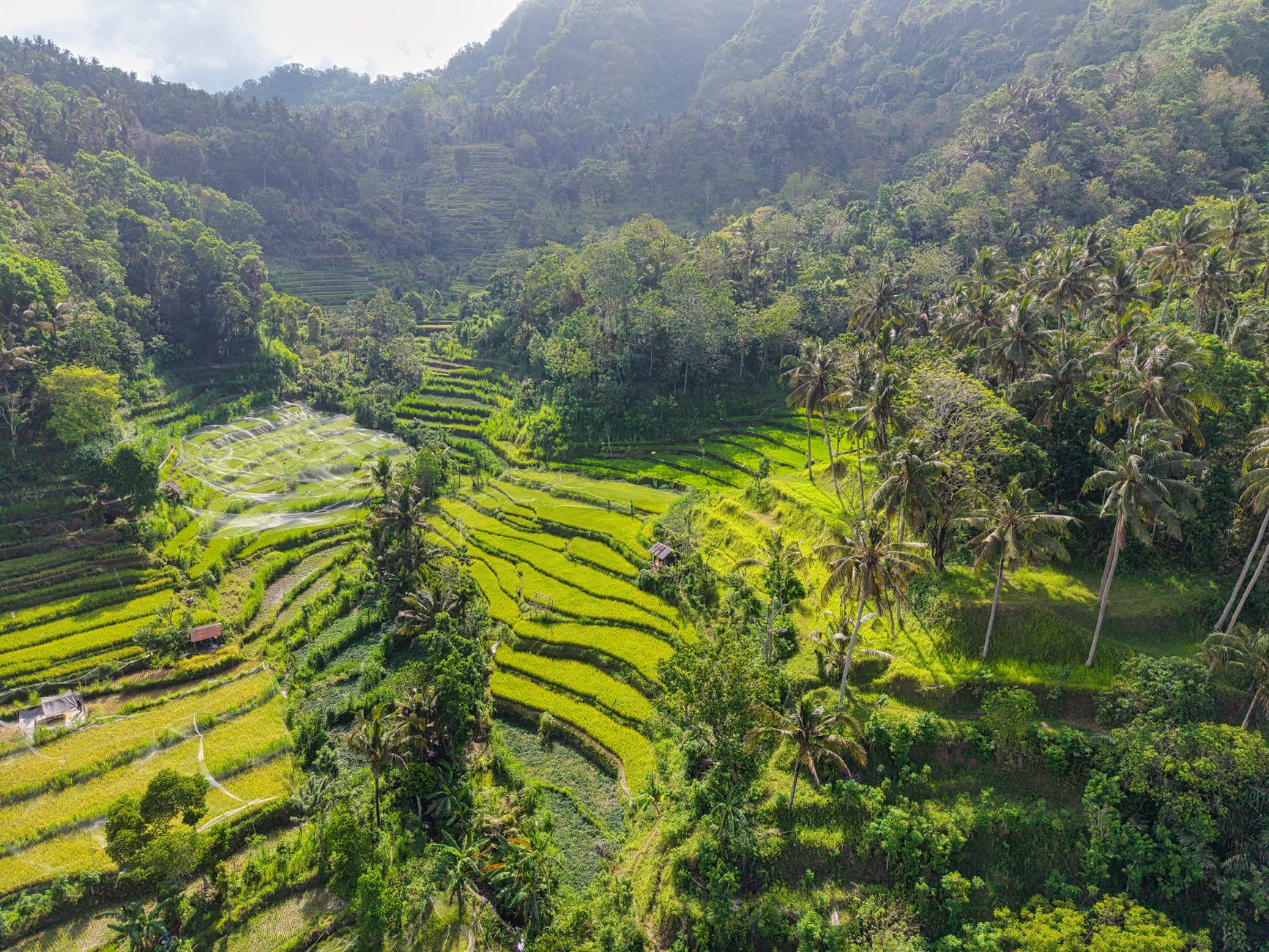
Asia & Indian Ocean hotspots reward careful attention to tropical monsoon shifts. Calm visibility hits peak clarity along eastern islands and the Maldives on alternating seasonal timetables compared with Thailand’s Andaman Sea coast. Affordable guided village boats on Apo Island, Gili Meno, and Xiao Liuqiu deliver astonishingly consistent morning sightings in 2 to 5 meters of clear water.
Across the Red Sea, East Africa, Oceania, and the Mediterranean, stark regional contrasts stand out cleanly. Marsa Alam in Egypt supports year-round seagrass grazing from open resort beaches, whereas the Daymaniyat Islands in Oman and Mon Repos or Ningaloo in Australia feature seasonally timed boat permits and coral spawning peaks. In Europe, Mediterranean destinations around Zakynthos, Cyprus, and southern Turkey offer warm surface conditions between May and October along protected Loggerhead nesting bays. Combine these regional hubs with our monthly calendar and seven species guides to map your exact itinerary.
Coordinating Ocean Regions With Global Travel Calendars
Because trade winds, coral spawning events, and monsoon troughs shift on opposing seasonal cycles around the planet, choosing the right marine region guarantees calmer surface water regardless of when holidays fall. From December through April, clear dry skies generally favor the Caribbean Sea, Hawaii’s sheltered leeward bays, the Maldives, and Thailand’s Andaman coast, whereas calm summer swells from May through October open peak viewing across Greece, Cyprus, southern Turkey, and eastern Indonesian archipelagos.
Travel styles vary just as cleanly across continents. Budget-conscious independent snorkelers can swim directly off sandy shores in Hawaii, Egypt, Barbados, or the Philippines for minimal beach fees, while offshore conservation zones in Belize, Oman, Galapagos, or Palau operate under strict vessel quotas with trained local captains. Exploring each regional hub helps match your preferred holiday month, flight time, and swimming experience against verified species density before locking down coastal lodging.