Why Physical Sun Protection Outperforms Lotions
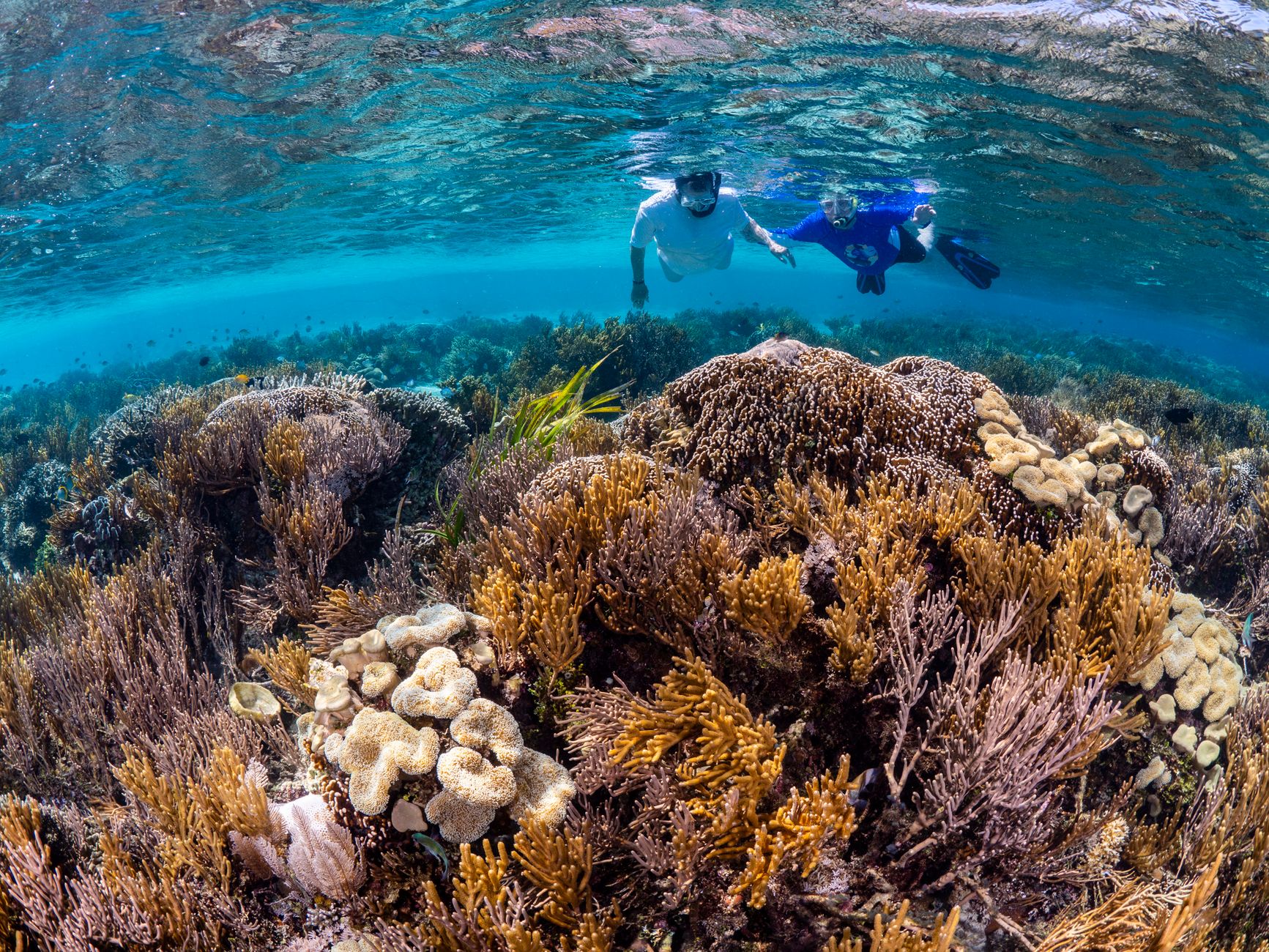
When you snorkel horizontally above a wild sea turtle grazing on seagrass for 60 to 90 minutes, your upper back, shoulders, neck, and the backs of your legs are exposed to intense direct ultraviolet radiation, as well as secondary radiation reflected off the water’s surface.
While certified reef-safe mineral sunscreens are necessary for exposed areas like your face and hands, relying on sunscreens to protect your entire body in tropical waters has major drawbacks. Sunscreen rubs off under lifejacket straps, washes away in surf, and requires messy reapplication between boat dives.
              PHYSICAL UV PROTECTION vs. CHEMICAL LOTIONS
═════════════════════════════════════════════════════════════════════
  UPF 50+ Sun Shirt    ──► Blocks 98% UV | Never washes off | 0% Reef Harm
  Chemical Sunscreen   ──► Bleaches Corals | Toxic to Reptiles | Wipes Off
═════════════════════════════════════════════════════════════════════
A dedicated long-sleeve UPF 50+ rashguard provides four concrete advantages:
- Guaranteed 100% Eco-Compliance: Zero lotions washing into the water column or settling onto delicate coral polyps and seagrass beds (Thalassia testudinum).
- Permanent UV Defense: Physical fabric protection does not degrade or dilute in saltwater.
- Marine Stinger & Abrasion Defense: Shields skin from microscopic thimble jellyfish larvae (sea lice), hydroid stings, and minor scrape hazards from boat ladders.
- Thermal Windbreak: Eliminates wind chill when climbing back onto breezy tour boats or walking open beach corridors.
The Physics of UPF vs. SPF Ratings
Many travelers confuse UPF (Ultraviolet Protection Factor) with SPF (Sun Protection Factor). While SPF measures only UVB radiation on human skin treated with lotions, UPF measures both UVA and UVB transmission through textiles.
       UPF TEXTILE PROTECTION BENCHMARKS
┌──────────────┬────────────────────────┬──────────────────────────────────┐
│ UPF Rating   │ UV Transmission (%)    │ Protection Level                 │
├──────────────┼────────────────────────┼──────────────────────────────────┤
│ UPF 15–24    │ 6.7% – 4.2%            │ Good (Standard cotton t-shirt)   │
│ UPF 25–39    │ 4.1% – 2.6%            │ Very Good (Synthetic blend)      │
│ UPF 50+      │ Less than 2.0%         │ Excellent (Blocks 98%+ of rays)  │
└──────────────┴────────────────────────┴──────────────────────────────────┘
A standard wet white cotton t-shirt drops to an effective UPF of only 3 to 5, allowing over 20% of UV rays to penetrate directly to your skin while creating heavy, waterlogged drag in the surf. Specialized performance rashguards utilize micro-denier synthetic fibers (nylon, polyester, and elastane) woven in ultra-tight knits that maintain UPF 50+ protection even when fully saturated with saltwater.
2026 Gear Categories: Sun Protection, Thermal Layers, and Buoyancy
                     SNORKELING APPAREL SYSTEM
  ┌─────────────────────────────────────────────────────────────┐
  │ 1. Tropical Waters (27–30°C): Lightweight UPF 50+ Rashguard │
  │ 2. Subtropical/Winter (21–25°C): 1.5mm Neoprene Thermal Top │
  │ 3. Flotation & Safety: High-Visibility Inflatable Vest      │
  └─────────────────────────────────────────────────────────────┘
1. Performance Long-Sleeve UPF 50+ Rashguards
Designed for warm tropical waters (26°C to 30°C), lightweight rashguards feature flatlock seam stitching to eliminate underarm chafing, 4-way stretch fabric for unhindered swimming strokes, and raised mock collars to protect the back of your neck.
- Key Features to Look For: Thumb loops to keep sleeves securely anchored over your wrists, boardshort connector loops at the hem, and quick-drying nylon-spandex weaves.
- Top Brands: O’Neill Basic Skins, Scubapro UPF 50 Steamer, Cressi Rashguard Series.
2. 1.5mm–2.0mm Neoprene Thermal Tops
In destinations with cooler waters or upwelling currents—such as the Galapagos Islands (18–22°C), Hawaii in winter (23–24°C), or the Mediterranean in spring—a thin 1.5mm neoprene top provides essential core insulation. The neoprene traps a thin layer of water against your torso that warms to your body temperature, extending comfortable in-water duration from 20 minutes to well over an hour.
3. Dedicated Inflatable Snorkeling Vests
Standard rigid orange boat lifejackets are designed for emergency maritime evacuations. They push your chest backward and force your head upward, making horizontal face-down snorkeling exhausting and uncomfortable.
In contrast, a purpose-built snorkeling vest provides adjustable, on-demand buoyancy:
- Oral Inflation Tube with Push-Valve: Blow 1 or 2 quick breaths into the valve to achieve effortless surface resting; depress the valve button to release air instantly if you wish to duck-dive 2 meters down.
- High-Visibility Safety Colors: Bright neon yellow or blaze orange fabrics allow boat skippers and marine guides to spot you from hundreds of meters away in ocean swell.
- Adjustable Crotch Strap: Keeps the vest firmly seated on your torso and prevents the collar from riding up against your chin while swimming.
Mandatory Lifejacket Regulations in Marine Sanctuaries
In top marine sanctuaries worldwide, wearing a certified flotation vest is not just a personal safety recommendation—it is a statutory conservation requirement under the Responsible Snorkeling Code .
       MANDATORY LIFEJACKET SANCTUARIES
┌────────────────────────┬─────────────────────────────────────────────────┐
│ Marine Sanctuary       │ Regulatory Flotation Requirement                │
├────────────────────────┼─────────────────────────────────────────────────┤
│ Akumal Bay (Mexico)    │ Mandatory fastened flotation vest at all times  │
│ Hanauma Bay (Hawaii)   │ Flotation required for uncertified swimmers     │
│ Apo Island (PH)        │ Mandatory vests in core shallow coral polygon   │
│ Hol Chan (Belize)      │ Guide-monitored flotation on barrier reef cuts  │
└────────────────────────┴─────────────────────────────────────────────────┘
The rationale behind mandatory flotation rules in places like Akumal Bay , Apo Island , and Hol Chan is benthic protection. By keeping all snorkelers floating horizontally at the surface, flotation vests prevent tired swimmers from treading water vertically, kicking up sediment, or standing directly on sensitive seagrass beds where Green Sea Turtles feed.
Sizing, Fit, and Maintenance Protocol
                  RASHGUARD & VEST CARE PROTOCOL
  ┌─────────────────────────────────────────────────────────────┐
  │ 1. Choose a snug, second-skin fit (loose fabric creates drag)│
  │ 2. Rinse in cool, fresh water immediately after ocean swims │
  │ 3. Never machine wash with harsh detergents or fabric softeners│
  │ 4. Hang to dry in shaded breeze (never in direct harsh sun) │
  │ 5. Store deflated vests flat away from sharp dive accessories│
  └─────────────────────────────────────────────────────────────┘
Finding the Right Fit
A snorkeling rashguard should fit snug against the skin like athletic compression wear. If you purchase a loose rashguard, excess fabric will billow in the water, creating drag, bunching uncomfortably under your arms, and failing to provide thermal warmth.