

Overview: The Turtle Sanctuary of French Polynesia
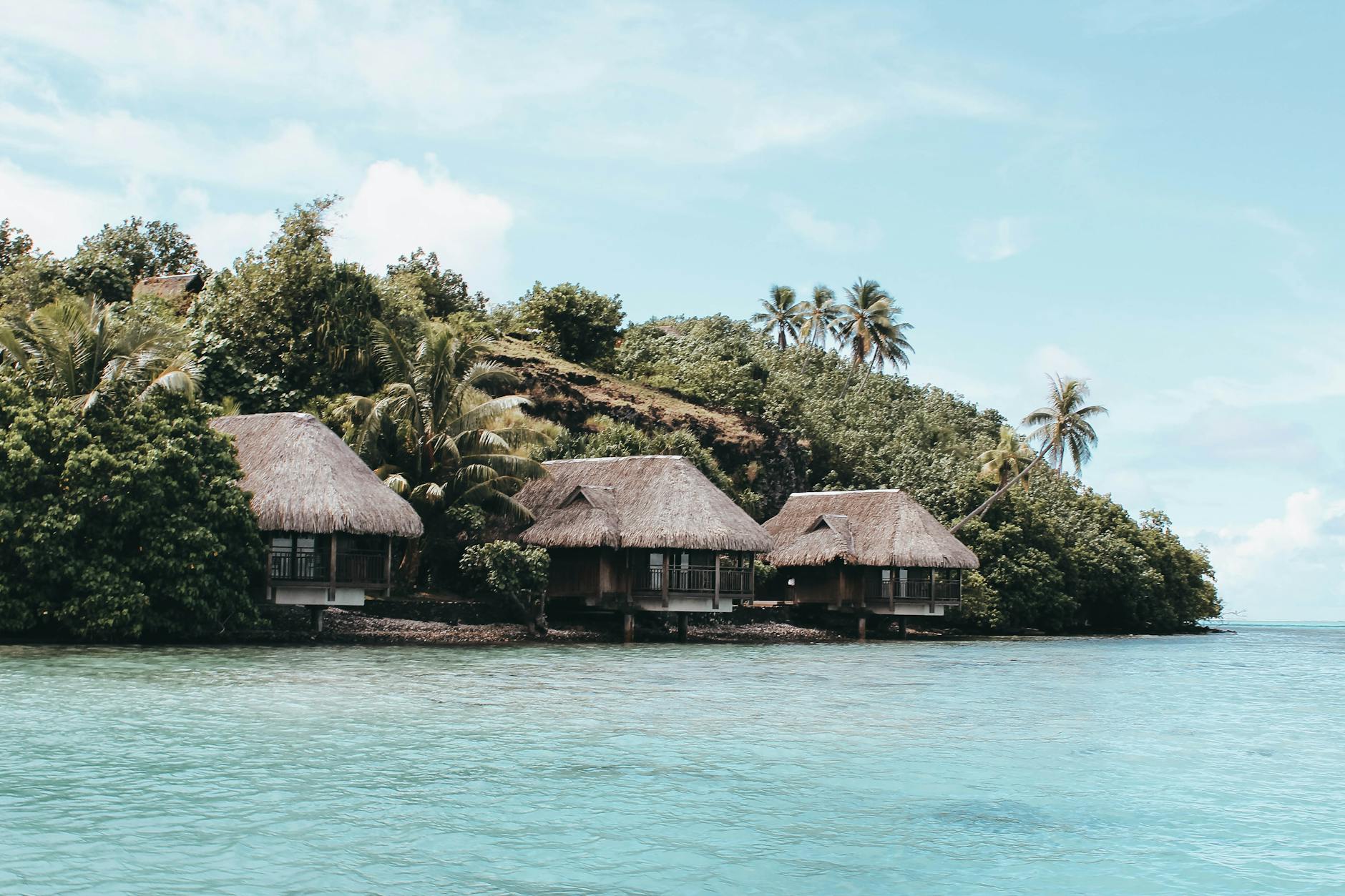
Rising dramatically out of the South Pacific just 17 kilometers (10 nautical miles) west of Tahiti, the volcanic island of Moorea (-17.4985° S, -149.7610° W) is celebrated worldwide as the jewel of French Polynesia. Encircled by a luminous turquoise barrier lagoon, Moorea’s sawtooth emerald peaks drop directly into cobalt waters inhabited by wild Green sea turtles (Honu - Chelonia mydas) and critically endangered Hawksbill turtles (Honu ’e’e - Eretmochelys imbricata).
Moorea’s marine environment is managed under the Plan de Gestion de l’Espace Maritime (PGEM), creating pristine marine protected polygons across the island. The premier shore-accessible turtle hotspot is Plage de Temaae (Temaae Beach) on the island’s northeast coast. Here, a sweeping white sand beach borders a vibrant coral shelf where snorkelers can wade directly from the shore into calm, crystal-clear water and watch wild sea turtles grazing among giant Porites coral heads.
Beyond Temaae, the majestic fjord-like waters of Opunohu Bay and the sandy sandbars of Tiahura host symbiotic cleaning stations and famous feeding grounds where sea turtles, docile pink whiprays (Pastinachus sephen), and blacktip reef sharks (Carcharhinus melanopterus) interact in 2 meters of crystalline water.
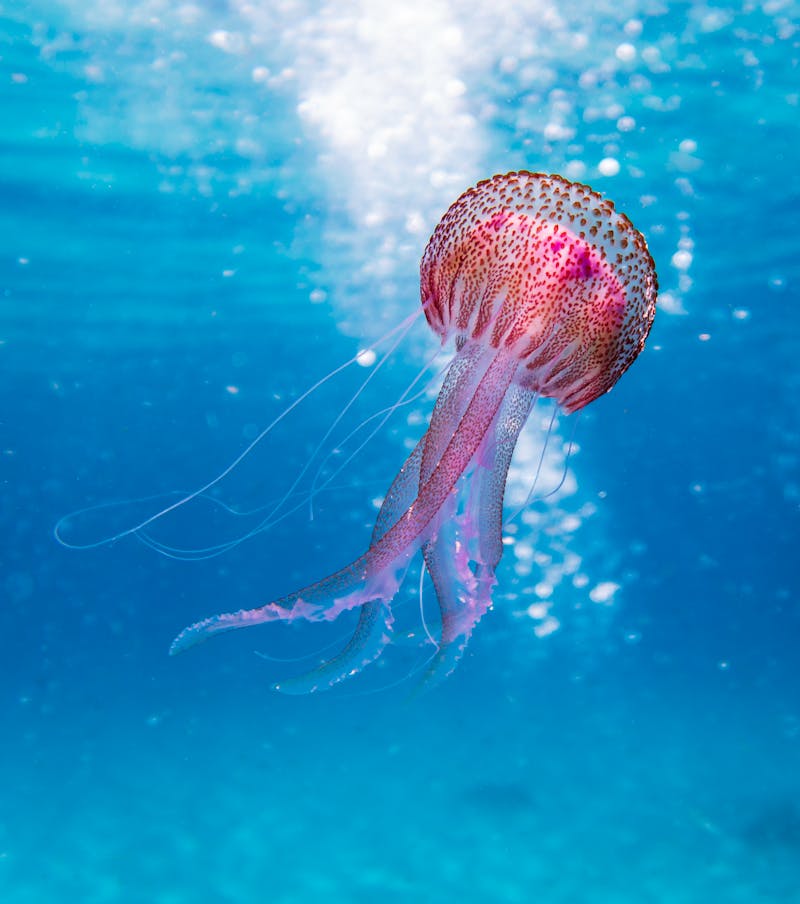
Moorea: Ultimate Snorkel Safari with Sea Turtles, Rays & Sharks
Small-group traditional outrigger boat cruise across Moorea's lagoon with certified naturalists, turtle cleaning station snorkel, and Polynesian picnic.
Marine Biology: The Cultural & Biological Significance of the Honu
In ancient Polynesian culture and mythology, the sea turtle (Honu) is revered as a sacred navigator, carrying ancestral wisdom and connecting the earthly realm (Fenua) to the ocean depths.
                    [ MOOREA CORAL LAGOON TROPHIC CASCADE ]
                                       │
        ┌──────────────────────────────┼──────────────────────────────┐
        ▼                              ▼                              ▼
 [ Green Turtle (Honu) ]      [ Hawksbill Turtle ]         [ Blacktip Reef Sharks ]
  (Chelonia mydas)             (Eretmochelys)               (Carcharhinus melanopterus)
        │                              │                              │
        ▼                              ▼                              ▼
 Herbivorous Grazer           Spongivore Specialist         Apex Lagoon Predator
 (Turbinaria & Dictyota)      (Sponges & Cnidarians)        (Crustaceans & Small Reef Fish)
1. Green Sea Turtle (Chelonia mydas) Ecology
Moorea’s lagoon Green turtles feed extensively on macroalgae species that grow across dead coral heads and limestone pavement, notably Turbinaria ornata, Dictyota, and filamentous turf algae. By cropping these competitive macroalgae, Green turtles prevent algae from smothering live coral recruits, playing a vital role in maintaining the health of Moorea’s barrier reef. Adult Honu in French Polynesia frequently reach lengths of 110 cm and weights exceeding 140 kg.
2. Hawksbill Turtle (Honu ’e’e - Eretmochelys imbricata) Ecology
Hawksbill turtles favor the deeper coral drop-offs outside the barrier reef and along the steep underwater canyon walls of Opunohu and Cook’s Bay. They forage on encrusting sponges (Spirastrella), soft corals, and colonial sea anemones, using their pointed bird-like beaks to extract food from tight volcanic fissures.
3. Cleaning Stations at Opunohu & Temaae
Scattered across the 4-to-8 meter depth contours of Moorea’s lagoon are ancient Porites lutea coral heads that serve as turtle cleaning stations.
               [ Sea Surface & Snorkeler - 0m ]
                              │ (3m Standoff Rule)
                              ▼
            🐢 [Honu Hovering with Splayed Flippers]
                              │
          ┌───────────────────┴───────────────────┐
          │      PORITES CLEANING BOMMIE (5m)     │
          │ - Bluestreak Cleaner Wrasse           │
          │ - Forcepsfish & Yellow Tangs          │
          └───────────────────────────────────────┘
When a Honu arrives at a cleaning bommie, it tilts its body upward at a 45-degree angle. Bluestreak Cleaner Wrasses (Labroides dimidiatus) and Threadfin Butterflyfish (Chaetodon auriga) immediately emerge from coral crevices to pluck parasites and dead skin from the turtle’s flipper sockets and shell edges.
Reef Bathymetry & Snorkel Maps: Temaae Beach
Temaae Beach features a wide lagoon shelf that slopes gently into a protected coral garden before reaching the outer barrier reef.
 WEST (Shoreline Sand)                                           EAST (Barrier Reef)
 White Coral Sand Beach                                              Ocean Swells
   │                                                                      │
   ▼ (0.5m - 1.5m)                                                        ▼
 [ Shallow Sand Flats: ] ────> [ Coral Garden Basin: 2.5m - 6m ] ────> [ Outer Drop-Off: 15m ]
  Easy wading entry,            Porites bommies, grazing turtles,       Reef crest pass,
  conch shells, sea cucumbers   cleaner wrasses, stingrays              pelagic sharks, drift
| Zone | Depth Profile | Coral Structure | Wildlife Highlights |
|---|---|---|---|
| Temaae Shallows | 0.5 – 1.5 m | Fine white sand with scattered coral rubble | Gentle entry for beginners; juvenile butterflyfish and damselfish. |
| Temaae Coral Basin | 2.0 – 5.0 m | Colossal Porites coral heads and brain corals | High turtle encounter rate; Green turtles resting under coral ledges and feeding on turf algae. |
| Opunohu Turtle Canyon | 4.0 – 12.0 m | Submerged volcanic drop-off with deep canyons | Large adult Green and Hawksbill turtles, schooling eagle rays, barracuda. |
| Tiahura Ray Sandbar | 1.2 – 2.5 m | Expansive shallow white sandbank | Friendly pink whiprays, blacktip reef sharks, foraging turtles. |
Logistics: How to Get to Moorea
                      [ TAHITI (PPT AIRPORT) ]
                                 │
            ┌────────────────────┴────────────────────┐
            ▼ (30-45 min Fast Ferry)                  ▼ (10 min Flight)
   [ Port of Papeete Ferry Terminal ]        [ Air Tahiti Moorea Flight ]
            │                                         │
            ▼                                         ▼
   [ Port of Vaiare (Moorea) ]               [ Moorea Airport (MOZ) ]
            │
            ▼ (Drive 5 min North)
   [ Plage de Temaae Public Beach ]
- Fast Catamaran Ferries (Aremiti & Terevau): Run 8 to 10 daily crossings between Papeete (Tahiti) and Vaiare (Moorea). Travel time is just 30 to 45 minutes, and tickets cost approximately $12–$15 USD each way.
- Car / Scooter Rental: Renting a car or scooter at Vaiare Ferry Terminal provides complete freedom to explore Temaae Beach, Cook’s Bay, and Opunohu.
- Public Access to Temaae: Access via the paved road leading to the public beach parking area (next to the Sofitel resort). Parking and beach access are completely free.
Expedition Routine: A Full Day in Moorea
Sunrise Snorkel at Temaae Beach
Step directly into the turquoise lagoon at Temaae before the wind rises. Snorkel 60 meters out to the Porites coral heads to observe 3 to 6 wild Green turtles feeding in the morning light.Fresh Coconut & Tropical Fruit Breakfast
Relax under the coconut palms at Temaae beach with fresh local pineapple, mango, and coconut water from local fruit stands.Traditional Outrigger Lagoon Safari
Board a traditional Polynesian motorized outrigger canoe from Opunohu Bay. Cruise past the towering green peaks of Mount Rotui and Mount Tohiea.Snorkeling with Stingrays & Blacktip Sharks
Stop at the shallow Tiahura sandbank to float in waist-deep water alongside gentle stingrays, docile blacktip reef sharks, and cruising sea turtles.Motu Island Picnic with Poisson Cru
Anchor at a private islet (motu) for a traditional lunch of poisson cru au lait de coco (Tahitian raw tuna with lime juice and fresh coconut milk).French Polynesian Environmental Laws (DIREN Regulations)
All sea turtles in French Polynesia are strictly protected under the Code de l’Environnement de la Polynésie française administered by the Direction de l’Environnement (DIREN).
Statutory DIREN & Te Mana O Te Moana Wildlife Regulations:
- Absolute Species Protection: All marine turtle species are fully protected. Hunting, capturing, harassing, detaining, or consuming turtle meat or eggs is strictly prohibited.
- 3-Meter Mandatory Standoff Buffer: Snorkelers must maintain at least 3 meters of clearance from swimming and resting turtles.
- Zero Touching or Physical Contact: Touching, holding, or riding turtles is illegal under territorial law.
- reef-safe sunscreen Mandate: Chemical sunscreens containing oxybenzone and octinoxate are strictly regulated; use only mineral non-nano zinc sunscreen.
- Heavy Penalties: Violations of marine conservation statutes carry criminal penalties and fines starting at 150,000 XPF (~$1,400 USD) up to 1,000,000 XPF (~$9,500 USD).
Local Operators Comparison Matrix
| Operator | Base Location | Primary Focus | Boat / Group Size | Contact & Booking |
|---|---|---|---|---|
| Moorea Blue Diving | Maharepa (Manava Resort) | Small-group turtle, shark, and outer reef drift dives | Custom dive catamarans, PADI 5-Star instruction, private guides | mooreabluediving.com / +689 87 74 59 99 |
| Topdive Moorea | Cook’s Bay | Certified diving and guided lagoon turtle safaris | High-speed aluminum dive vessels, full Mares equipment fleet | topdive.com / +689 40 56 31 44 |
| Voila Moorea Eco Tours | Opunohu Bay | Eco-certified sailing canoe lagoon safaris | Authentic Polynesian sailing outrigger, zero-motor eco sailing | voilamoorea.com / +689 87 22 44 11 |
Seasonal Weather & Water Conditions
Month       Jan   Feb   Mar   Apr   May   Jun   Jul   Aug   Sep   Oct   Nov   Dec
Water (°C)   29    29    28    28    27    26    26    26    26    27    28    28
Visibility  25m   20m   25m   30m   35m   40m   40m   40m   35m   35m   30m   25m
Turtles     ███   ███   ███   ███   ███   ███   ███   ███   ███   ███   ███   ███
Humpbacks                                       ███   ███   ███   ███
Dry Season   ░░    ░░    ▒▒    ██    ██    ██    ██    ██    ██    ██    ▒▒    ░░
- Dry Season (May to November): The optimum window for traveling to French Polynesia. Southeast trade winds (Mara’amu) bring sunny skies, low humidity, water temperatures around 26–27°C (79–81°F), and crystalline visibility up to 40 meters.
- Whale Season Bonus (July to November): Thousands of Antarctic Humpback Whales visit Moorea to breed and nurse calves, allowing visitors to combine turtle snorkeling with ethical whale-watching boat excursions.
Essential Gear & Packing Recommendations
- Low-Volume Frameless Silicone Mask: Clear silicone skirts offer maximum light and wide panoramic vision across the turquoise lagoon.
- UPF 50+ rashguard : Essential for shielding your back and shoulders during extended surface snorkeling sessions.
- Flexible Snorkel Fins: Short-to-medium blade fins allow easy maneuvering without kicking fragile coral colonies.
- Eco-Certified Non-Nano Zinc Sunscreen: Protects the delicate Polynesian barrier reef from harmful chemical bleaching.
- GoPro Action Camera with Red Snorkel Filter: Capture stunning 4K footage of sea turtles with the iconic backdrop of Moorea’s emerald peaks.
Red Flags & What to Avoid at Moorea Lagoon
Red Flags & What to Avoid at Temaae Beach & Opunohu Lagoon (Moorea)
Independent critique, common tourist traps, and local marine compliance advisories.
At Temaae Beach & Opunohu Lagoon (Moorea), underwater clarity is highest during Early morning calm 07:00-10:30 (20–40m). By late morning, coastal winds kick up chop and tourist activity stirs bottom sediments, cutting visibility significantly. Resident sea turtles typically retreat to deeper resting ledges once human traffic peaks.
Shore access at Temaae Beach & Opunohu Lagoon (Moorea) has an official fee of $0.00 USD. Independent beach touts often approach visitors claiming private guides or expensive package wristbands are required. Verify official ticket counters and bring your own sanitized snorkel gear to avoid paying 300% rental markups.
Wild sea turtles at Temaae Beach & Opunohu Lagoon (Moorea) are protected by national marine sanctuaries. Mandatory 3-meter standoff buffer from sea turtles, stingrays, and sharks. Touching, cornering, riding, or feeding turtles carries severe statutory wildlife fines, immediate park ejection, and potential legal prosecution under French Polynesia conservation laws.
Chemical sunscreens containing oxybenzone, octinoxate, and octocrylene poison fragile coral polyps and marine turtle nursery habitats. Use exclusively certified 100% non-nano zinc oxide mineral sunscreens or wear UPF 50+ rashguards to prevent sunscreen wash-off in the protected reef zone.
Frequently Asked Questions & Direct Choice Field Guide
Guided Tour vs Independent Shore Snorkeling in Moorea Lagoon — Which should you book?
Book a guided excursion (from $132 USD) if you want guaranteed encounters, boat access to outer reefs, certified safety skippers, and high-quality snorkel gear; choose independent shore snorkeling (Free public entry) only if you are an experienced ocean swimmer equipped with your own reef-safe gear and comfortable navigating local shore breaks and current corridors.
Guided tours provide dedicated spotters who know current turtle feeding clusters, whereas independent snorkelers often waste hours searching murky shallows.
Early Morning vs Midday Snorkeling — When is turtle sighting probability highest?
Go during Early morning calm 07:00-10:30, which delivers an optimal 96% sighting probability and crystal 20–40m underwater visibility before offshore trade winds churn bottom sediments and tourist crowds arrive.
After 11:00 AM, heavy boat traffic and hundreds of recreational swimmers stir up fine silt, reducing underwater clarity by up to 50% and driving grazing turtles into deeper offshore trenches.
Peak Season (May, June, July) vs Shoulder Months — When are water conditions best?
Visit during May, June, July for peak feeding activity, minimal rainfall, and warm sea temperatures ranging from 26°C to 29°C.
While resident sea turtles inhabit Moorea Lagoon year-round, booking morning excursions during peak months ensures calm surface conditions, though reserving tour slots 2–3 weeks ahead is essential to avoid sold-out capacity limits.
What are the statutory wildlife distance rules and legal penalties in French Polynesia?
Swimmers must maintain a strict minimum 3-meter (10-foot) buffer from all sea turtles at all times under French Polynesia marine conservation laws.
Touching, riding, pursuing, or cornering a turtle is a serious wildlife violation carrying steep statutory fines, immediate ejection from the marine sanctuary, and potential criminal prosecution. Always float neutrally with your arms crossed across your chest and allow turtles an unobstructed 45-degree surfacing corridor to breathe.
Where do Moorea Lagoon turtle tours depart from, and how do you reach the reef?
Most verified excursions depart directly from local harbor docks or designated beach kiosks near MOZ airport, with reef access centered around GPS coordinates -17.4985, -149.761.
If traveling independently by rental car or taxi, arrive at least 30 minutes before your scheduled departure to secure parking and complete mandatory marine sanctuary registration.