

Executive Field Guide: Swimming with Wild Sea Turtles in Lara Bay Turtle Conservation Station (Akamas Peninsula)
Located along the pristine coastline of Cyprus in the Europe & Mediterranean marine biogeographical zone, Lara Bay Turtle Conservation Station (Akamas Peninsula) represents one of the world’s most ecologically significant habitats for free-roaming wild marine turtles. Unlike captive commercial attractions or touch tanks, the chelonian populations inhabiting Lara Bay Turtle Conservation Station (Akamas Peninsula) are 100% wild and protected under strict statutory conservation laws.
Snorkelers visiting this coastal sanctuary enjoy an outstanding 75% sighting probability when conducting their swim during Morning 08:00-11:00. The shallow marine topography (depths ranging from 1.5 meters to 6.0 meters) allows swimmers of all skill levels to observe turtles grazing peacefully on benthic seagrass beds (Thalassia testudinum, Halodule wrightii) and visiting cleaning stations along coral patch heads (Porites, Acropora).
                    TOPOGRAPHIC CROSS-SECTION OF LARA BAY TURTLE CONSERVATION STATION (AKAMAS PENINSULA)
══════════════════════════════════════════════════════════════════════════════════════════
 Shoreline / Beach ──► [ Shallow Sandy Corridor ] (0.5m - 1.5m Depth)
                             │
                             ▼
             [ Benthic Seagrass Feeding Pasture ] (2.0m - 4.0m Depth)  ◄── Resident Turtles Grazing
                             │
                             ▼
             [ Coral Garden & Cleaning Stations ] (4.5m - 6.0.0m Depth)
                             │
                             ▼
                 [ Deep Outer Drop-off / Channel ] (12m+ Depth)
══════════════════════════════════════════════════════════════════════════════════════════
Documented Marine Turtle Species in Lara Bay Turtle Conservation Station (Akamas Peninsula)
Scientific marine audits have identified the following chelonian species residing in and migrating through Lara Bay Turtle Conservation Station (Akamas Peninsula):
- Green Sea Turtles (Chelonia mydas): Regularly documented foraging in the shallow seagrass beds and sheltering under limestone coral overhangs.
- Loggerhead (Caretta caretta): Regularly documented foraging in the shallow seagrass beds and sheltering under limestone coral overhangs.
Biological Feeding Dynamics & Foraging Ecology
During the early morning hours, Green sea turtles (Chelonia mydas) migrate from deep offshore resting ledges into the sunlit shallow lagoons of Lara Bay Turtle Conservation Station (Akamas Peninsula). As specialized herbivores, green turtles feed primarily on tender shoots of marine seagrasses, aerating bottom sediments and maintaining a healthy ocean floor. Meanwhile, Hawksbill Turtles (Eretmochelys imbricata) utilize their narrow, sharp beaks to extract sponges and tunicates from coral crevices, preventing fast-growing sponges from suffocating fragile hard corals.
Screen-2 Verified Eco-Tours & Charters
Book certified small-group boat tours with licensed marine guides to ensure full compliance with marine park regulations:
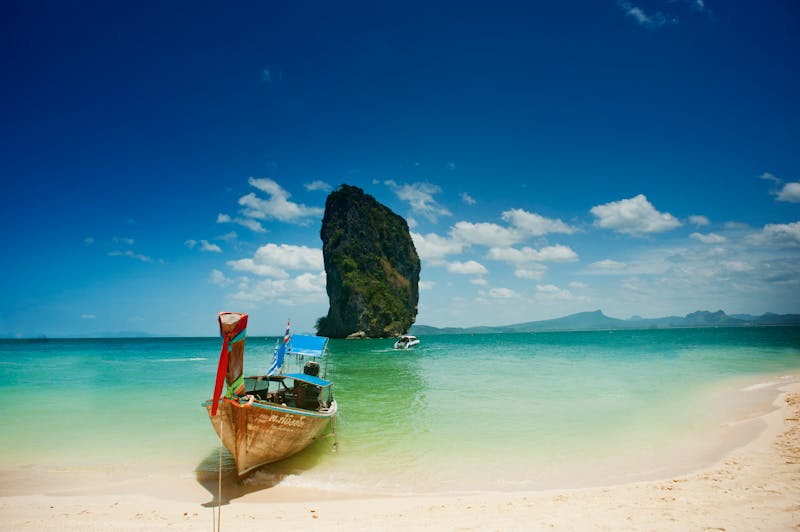
Step-by-Step Underwater Navigation Route & GPS Entry
Whether entering directly from the beach or dropping in from a certified day-boat, follow this optimized navigation path:
                      STEP-BY-STEP SNORKEL DRIFT ROUTE
  [ Designated Entry ] ──► (Swim 45m Offshore at 320° Bearing)
                                      │
                                      ▼
  [ Primary Seagrass Pasture ] ──► [ Coral Cleaning Station ]
  (Look for feeding turtles)       (Look for resting turtles under overhangs)
                                      │
                                      ▼
  [ Return Loop via Inner Sandy Channel ] ──► [ Safe Beach Exit ]
- Beach / Boat Entry Corridor: Step into the water only through marked sandy channels. Never step on dark bottom formations, as these represent fragile living coral colonies and vital seagrass root rhizomes.
- First Waypoint — The Feeding Pasture (2.5m Depth): Swim 30–50 meters offshore over the seagrass meadows. Keep your body flat on the surface and scan below for juvenile turtles grazing. Listen through your snorkel for the distinct audible ‘crunching’ sound of turtles clipping seagrass shoots.
- Second Waypoint — Cleaning Station (4.0–6.0m Depth): Drift gently toward the outer coral bommies. Observe adult turtles resting motionless on the sand while cleaner wrasses (Labroides dimidiatus) and surgeonfish pick parasites, epibionts, and algae from their carapaces.
- Resurfacing Etiquette: When a turtle begins ascending toward the surface for air, remain completely still. Never swim directly above a rising turtle. Maintain a 3-meter lateral clearance to give the turtle an open 45-degree angle to breathe without distress.
Statutory Marine Conservation Rules & Legal Penalties
Monitored under MEDASSET , the marine sanctuary enforces strict wildlife protection decrees.
The marine environment of Lara Bay Turtle Conservation Station (Akamas Peninsula) is protected under national and international conservation laws.
- Department of Fisheries and Marine Research (DFMR) strict turtle nesting sanctuary rules
- Zero driving of 4WD vehicles on coastal sand dunes
- Umbrellas, sunbeds, and tents strictly prohibited on nesting beach
- Stay clear of marked aluminum protective turtle egg cages
CRITICAL WILDLIFE PROTECTION LAW:
- 3-Meter Standoff Rule: Swimmers must maintain a strict 3-meter (10-foot) distance from all marine turtles at all times.
- Zero Touching / Chasing: Touching, riding, encircling, or pursuing a turtle is a serious statutory wildlife violation. Offenses carry severe fines, equipment confiscation, and potential legal prosecution.
- Sunscreen Mandate: Only certified non-nano mineral reef-safe sunscreens (Zinc Oxide or Titanium Dioxide) are permitted in Lara Bay Turtle Conservation Station (Akamas Peninsula). Chemical sunscreens containing Oxybenzone, Octinoxate, or Avobenzone are strictly banned due to coral bleaching toxicity.
Recommended Expedition Gear for Lara Bay Turtle Conservation Station (Akamas Peninsula)
To maximize comfort and safety during your wildlife swim, we recommend bringing:
- 🤿 Panoramic Anti-Fog Snorkel Mask : Low-volume tempered glass mask with 100% silicone skirt for an airtight, leak-free seal.
- ☀️ Non-Nano Mineral Reef-Safe Sunscreen : 100% biodegradable zinc oxide formula that does not harm coral larvae or juvenile turtles.
- 🛡️ Long-Sleeve UPF 50+ Rashguard : Protects against harsh tropical UV rays and accidental contact with stinging hydroids without relying on chemicals.
- 🛵 Underwater Sea Scooter (DPV) : Quiet, brushless electric sea scooter for effortless cruising against light coastal currents.
Local Pricing Benchmarks & Budgeting Matrix
| Service / Item | Benchmark Cost (USD) | Booking Advice |
|---|---|---|
| Site Entry / Park Fee | $0.00 USD | Free public access |
| Daily Mask & Snorkel Rental | $10.00 USD | Available at local beach kiosks |
| Guided Boat Snorkel Excursion | $50.00 USD | 2.5 to 3.5 hours, includes guide, gear, and refreshments |
| Private Half-Day Boat Charter | $350.00 USD | Up to 6 passengers, customized timing and route |
Verified Local Dive Centers & Marine Operators
For equipment hire, guided tours, and local marine condition updates, patronize these verified operators:
- Cydive Paphos (PADI 5-Star CDC #1209) — Contact: +35726934271 | Website
Red Flags & What to Avoid at Lara Bay, Cyprus
Red Flags & What to Avoid at Lara Bay Turtle Conservation Station (Akamas Peninsula)
Independent critique, common tourist traps, and local marine compliance advisories.
At Lara Bay Turtle Conservation Station (Akamas Peninsula), underwater clarity is highest during Morning 08:00-11:00 (15–25m). By late morning, coastal winds kick up chop and tourist activity stirs bottom sediments, cutting visibility significantly. Resident sea turtles typically retreat to deeper resting ledges once human traffic peaks.
Shore access at Lara Bay Turtle Conservation Station (Akamas Peninsula) has an official fee of $0.00 USD. Independent beach touts often approach visitors claiming private guides or expensive package wristbands are required. Verify official ticket counters and bring your own sanitized snorkel gear to avoid paying 300% rental markups.
Wild sea turtles at Lara Bay Turtle Conservation Station (Akamas Peninsula) are protected by national marine sanctuaries. Minimum 3-meter distance from turtles. Touching, cornering, riding, or feeding turtles carries severe statutory wildlife fines, immediate park ejection, and potential legal prosecution under Cyprus conservation laws.
Chemical sunscreens containing oxybenzone, octinoxate, and octocrylene poison fragile coral polyps and marine turtle nursery habitats. Use exclusively certified 100% non-nano zinc oxide mineral sunscreens or wear UPF 50+ rashguards to prevent sunscreen wash-off in the protected reef zone.
Frequently Asked Questions & Direct Choice Field Guide
Guided Tour vs Independent Shore Snorkeling in Lara Bay, Cyprus — Which should you book?
Book a guided excursion (from $46 USD) if you want guaranteed encounters, boat access to outer reefs, certified safety skippers, and high-quality snorkel gear; choose independent shore snorkeling (Free public entry) only if you are an experienced ocean swimmer equipped with your own reef-safe gear and comfortable navigating local shore breaks and current corridors.
Guided tours provide dedicated spotters who know current turtle feeding clusters, whereas independent snorkelers often waste hours searching murky shallows.
Early Morning vs Midday Snorkeling — When is turtle sighting probability highest?
Go during Morning 08:00-11:00, which delivers an optimal 75% sighting probability and crystal 15–25m underwater visibility before offshore trade winds churn bottom sediments and tourist crowds arrive.
After 11:00 AM, heavy boat traffic and hundreds of recreational swimmers stir up fine silt, reducing underwater clarity by up to 50% and driving grazing turtles into deeper offshore trenches.
Peak Season (June, July, August) vs Shoulder Months — When are water conditions best?
Visit during June, July, August for peak feeding activity, minimal rainfall, and warm sea temperatures ranging from 21°C to 27°C.
While resident sea turtles inhabit Lara Bay, Cyprus year-round, booking morning excursions during peak months ensures calm surface conditions, though reserving tour slots 2–3 weeks ahead is essential to avoid sold-out capacity limits.
What are the statutory wildlife distance rules and legal penalties in Cyprus?
Swimmers must maintain a strict minimum 3-meter (10-foot) buffer from all sea turtles at all times under Cyprus marine conservation laws.
Touching, riding, pursuing, or cornering a turtle is a serious wildlife violation carrying steep statutory fines, immediate ejection from the marine sanctuary, and potential criminal prosecution. Always float neutrally with your arms crossed across your chest and allow turtles an unobstructed 45-degree surfacing corridor to breathe.
Where do Lara Bay, Cyprus turtle tours depart from, and how do you reach the reef?
Most verified excursions depart directly from local harbor docks or designated beach kiosks near PFO airport, with reef access centered around GPS coordinates 34.9567, 32.3111.
If traveling independently by rental car or taxi, arrive at least 30 minutes before your scheduled departure to secure parking and complete mandatory marine sanctuary registration.